What goes wrong
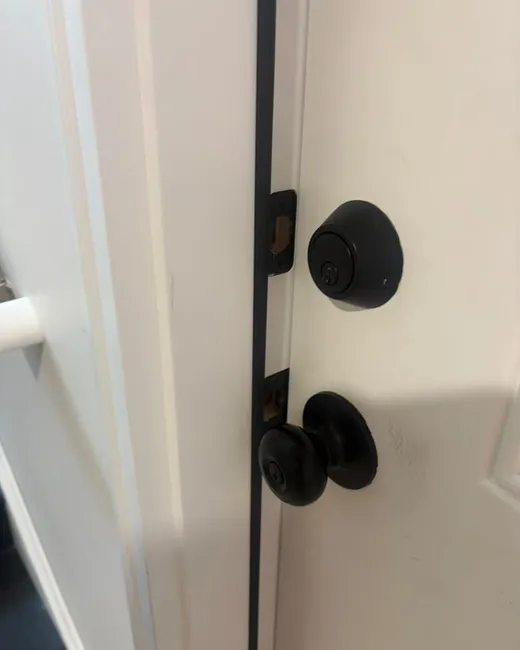
Most calls we get from Fort Washington homes are about a single- or double-cylinder deadbolt that won’t latch cleanly, a warped door edge that rubs on the bolt, or a worn keyed entry that sticks when you turn. We repair and replace cylinders, cut new keys on site, realign door hardware, and fit reinforced strikes and longer-throw bolts when the frame needs it. We bring the tools and parts to the house; there’s no counter for you to visit. If you describe the problem on the phone, we’ll tell you when we can come.
02
What the job involves
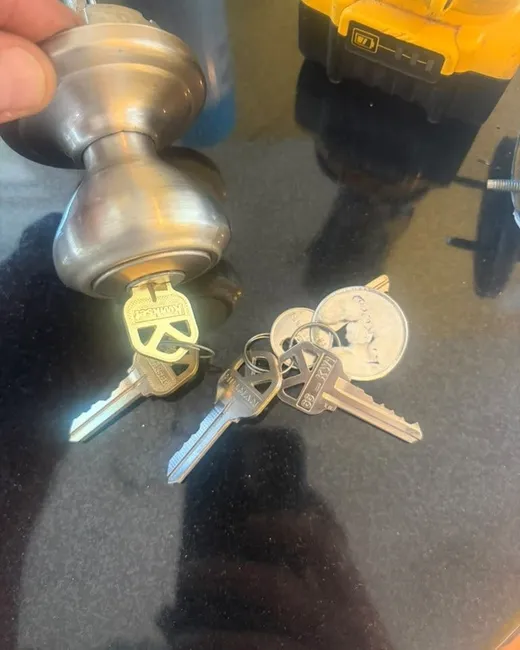
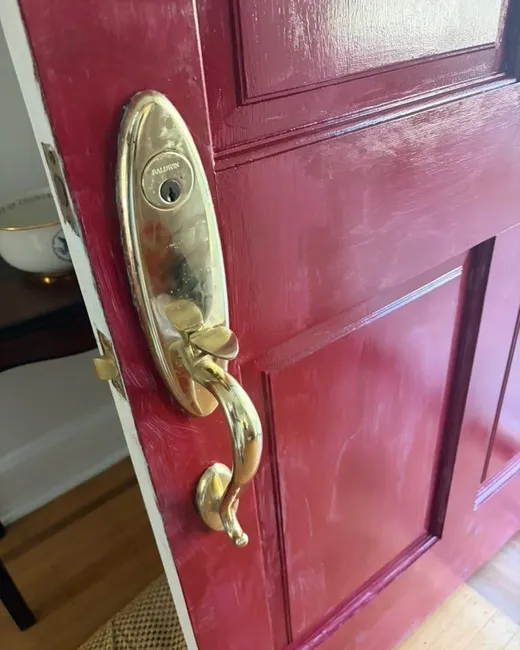
When a lock is visibly damaged (split face, loose screws, a twisted bolt) we remove the hardware, check the door and frame for movement, and fit the appropriate replacement. We use mortise and cylindrical locksets, metal strike plates, and solid steel deadbolts, matching the backset, screw lengths, and bore size so the new parts sit flush. If rekeying is the job, we disassemble the cylinder, change the pins, and test multiple keys so the lock operates smoothly both directions before we leave.
03
Good to know
While you wait, give us the clear access point to the door and, if applicable, a spare key or the make and model stamped on the lock. Stay nearby to answer questions about how the door has been used (kids’ habits, heavy weather exposure, or if a pet door was added) those details affect our choices. We’ll work where the lock is; we do not meet at a shop. We drive out from Havertown with the parts and machines we expect to need, and we’ll tell you realistically when we can be there.
04
Worth knowing
If you’re locked out, handle the situation in the way that keeps everyone safe: don’t break a window to get in, and keep children and pets away from the entry while we work. For planned jobs, have any recent keys, old hardware removed from the door, and the door clear of obstructions. We provide written notes of what we changed and how the latch and deadbolt now operate. Fort Washington homeowners often ask about adding keyed-alike locks or a master-key system; we can discuss the physical changes and what they mean for access during the service visit.