What the job involves
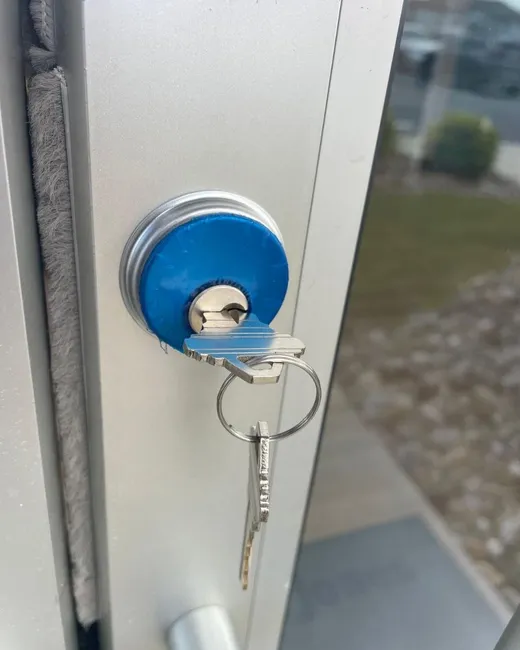
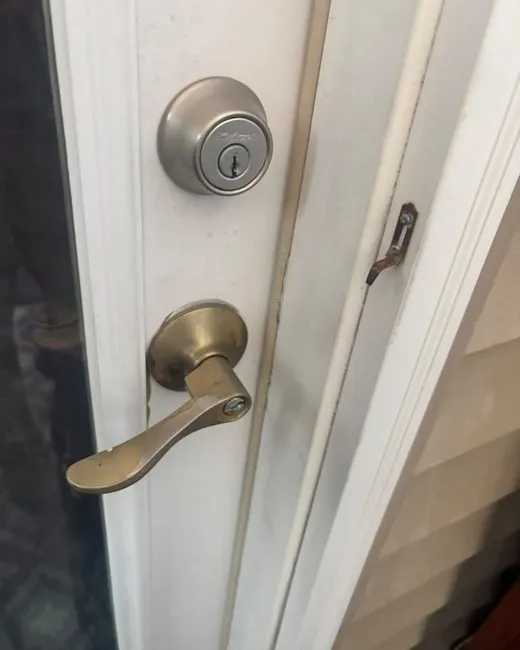
Commercial locksmith work for Tiger Locksmith is hands-on, on site, and focused on the mechanics and security hardware that keep a commercial property functional. Typical tasks include cylinder and core replacement, rekeying whole suites to a master key system, installing or repairing panic hardware and exit devices, adjusting or replacing latch assemblies and strikes, and swapping out or upgrading high-security pin or disc detainer cylinders. We carry cylinder sizes, sectional cores, mortise locks, and heavy duty deadbolts in the van and do the fitting and calibration at the door. With more than 13 years working on locks across Delaware, Chester, Montgomery counties and Philadelphia, the work is practical and technical.
02
What tends to cause it
Problems that generate commercial calls are usually mechanical failure, misuse, or damage rather than mystery. Cylinders wear from heavy traffic, keys round off, and cams shear when users force locks. Misaligned doors or dropped hinges let latches miss strikes; corrosion or paint buildup can freeze mechanisms; and break-ins or attempted entries often bend or fracture latches and trim. Electronic access issues commonly come from dead batteries, loose wiring at the lock module, or failed control boards rather than the card reader itself. Knowing the usual failure modes helps identify whether hardware needs adjustment, partial replacement, or a full swap of the cylinder or lockset.
03
Making it go smoothly
To make a visit go smoothly, have the person with property authority meet the technician and be prepared to demonstrate the problem on the actual door. Clear the area around the door and remove rugs or boxes that block access; for overhead or recessed hardware, provide a stable place to set tools. If you have manufacturer model numbers, keyway information stamped on the cylinder, or the original keys, have those ready; for electronic systems, have power to the lock and any controller serials or wiring diagrams available. Good labeling of doors and a single point of contact speeds diagnosis and avoids unnecessary parts changes.