What goes wrong
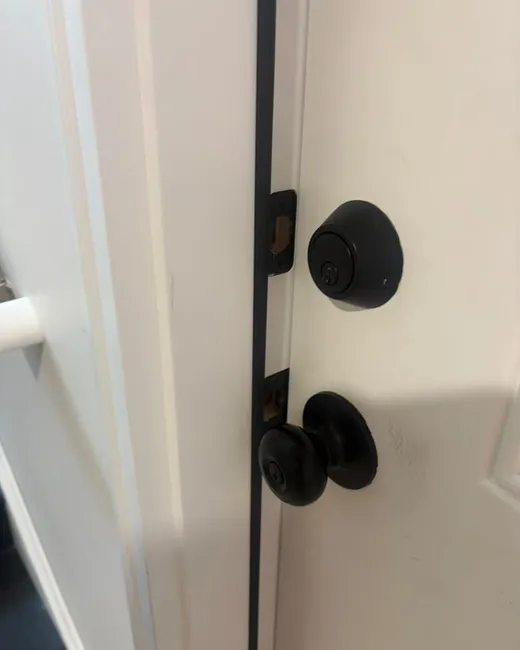
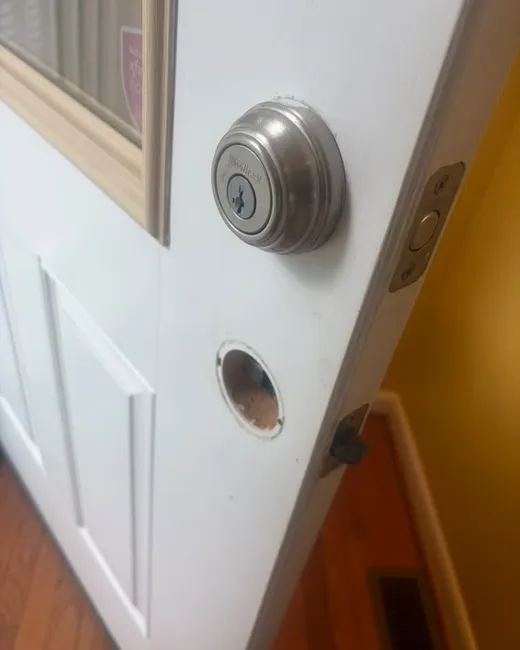
Cars lock out for a few ordinary reasons: keys left on a seat, a key snapped off in a door cylinder, fob batteries that died with doors locked, or a latch that settled and pins that no longer line up. We look at the door and the visible hardware first (the edge of the door, the gap at the seal, the cylinder head and striker) to choose an entry method that avoids cutting or bending sheet metal. In Montgomeryville we see the same mix of late-model fobs and older mechanical cylinders.
02
What the job involves
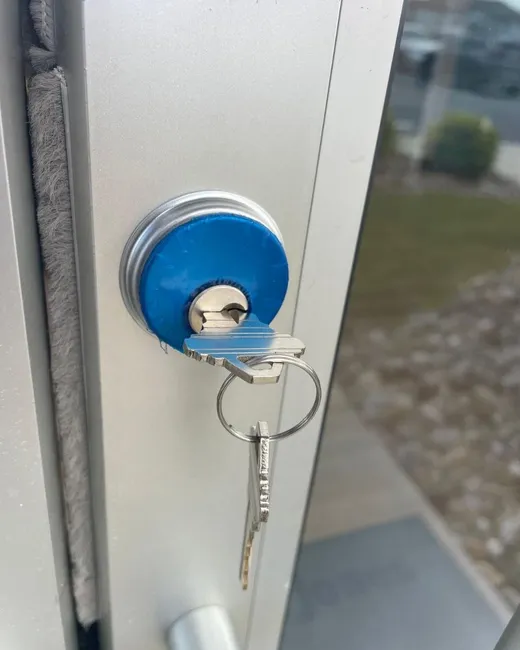
The actual job is practical and hands-on. We use long-reach tools, flat wedges to open a gap without gouging paint, picks for cylinder work, and hand tools to remove trim when necessary. If a key snapped we extract the broken piece and inspect the remaining core; if the lock is a wafer or pin cylinder we work the plug and feel for the shear line. For fobs that need a replacement key blade or a new programmed unit we cover the mechanical side first and then handle the electronics as the vehicle requires.
03
Good to know
While we work the lock there are a few things customers can do to help. Keep children and pets back from the open door and clear the area around the vehicle so we can set tools down safely. Have proof of ownership or registration ready on your phone or paper; we check that the vehicle belongs to you before we start. If you remember where any spare key was kept, tell us; sometimes a second key is already nearby and saves extra steps.
04
Worth knowing
We travel to jobs from our base in Havertown, and we bring the tools and cutting gear a typical lockout needs. Montgomeryville customers should have the vehicle identification number (VIN) handy if they think they need a new key blank cut or a fob replaced, and the make, model and year ready on a call so we can confirm the right key type. If a door or cylinder shows heavy corrosion or a reinforced bolt, we describe options for repair or replacement and show what parts we would use before doing any irreversible work.