What goes wrong
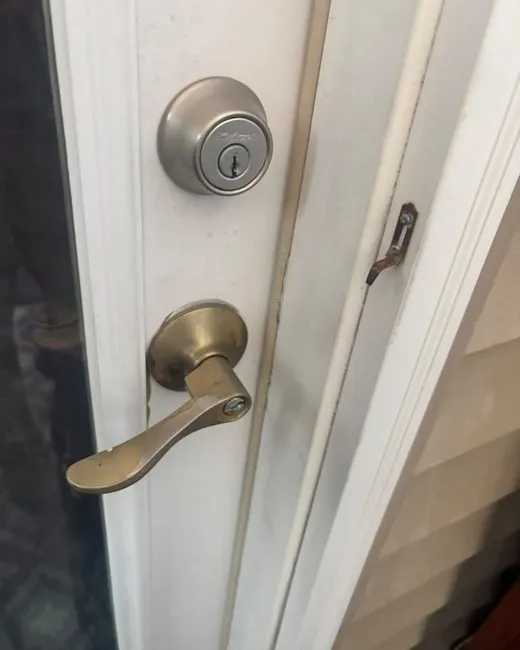
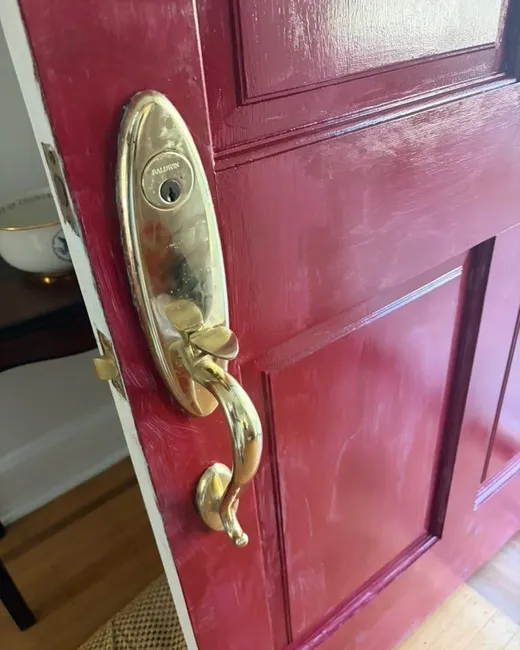
Locked or broken keys are the calls we get most from homes in Brewerytown. Keys snap in a worn cylinder, a deadbolt tumbles and won’t extend, a latch binds against a warped door, or the thumbturn spins without engaging. We see broken mortise bolts, stripped keyways, and smart lock failures where the electronics power down or the wireless module stops responding. Those are practical, mechanical and electrical faults (not marketing terms), and they tell us what hardware needs replacing, rekeying, or a mechanical repair at the strike, bolt or cylinder.
02
What the job involves
When we work on a residential lock we bring the tools and parts to the door and start by inspecting the cylinder, bolt, strike plate and door edge. We can extract a broken key, reconfigure a cylinder to fit new keys, or remove and replace a deadbolt and hardened strike. If a latch requires a longer throw or a reinforced strike plate for a firmer catch we fit that on site. We drive out from Havertown and carry blanks, replacement cylinders, and the cutting gear to make keys on the spot.
03
Good to know
While we’re on the way you can help the job go smoothly by staying nearby with a key if one still works, securing pets and children away from the work area, and clearing the door swing and the threshold of objects. Have a photo ID and something that shows you live at the address ready; we will ask before we work on a lock. If you have a spare key or photos of the lock from before it failed, keep them at hand; they speed what we can do and reduce the back-and-forth.
04
Worth knowing
For most jobs it helps if you can tell us the door thickness, the borehole size if known, and whether the existing hardware is a single-cylinder deadbolt, double-cylinder, mortise or an electronic lock. Bring every key you have for that door and a picture of the lock if it’s an odd shape. We use physical descriptions (solid brass or steel cylinders, long-throw deadbolts, reinforced strikes and the tailpiece shape) to pick the right replacement parts and explain what will be fixed or swapped before we start.