What goes wrong
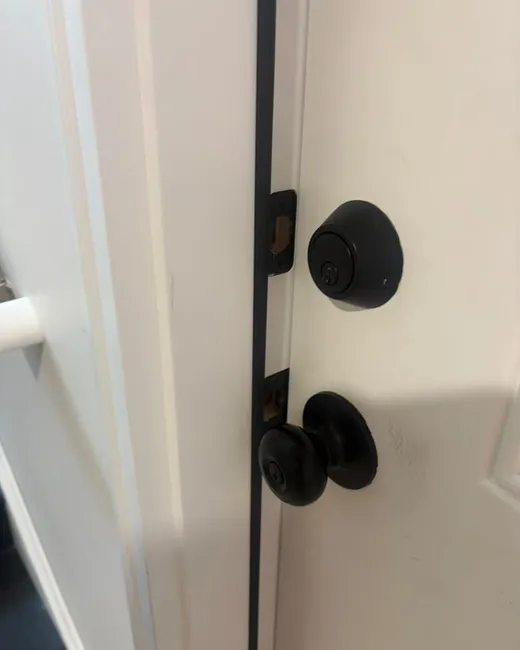
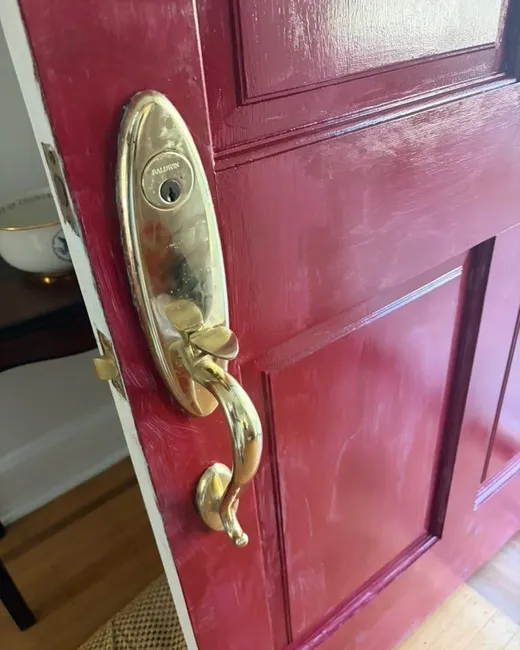
We work on the locks that run a business: storefront deadbolts, rim cylinders on glass doors, heavy-duty mortise locks, and exit devices on fire doors. Common failures in Germantown are worn keyways that bind, broken tails in mortise cylinders, latch misalignment from settled frames, and panic bars that stick or lose their spring. We diagnose by testing the cylinder, pulling the trim to inspect the tailpiece and cam, checking the strike and the door edge for wear, and operating the device under load to find where parts bind or break.
02
What the job involves
Many commercial calls start with access control problems: keypads that won't accept codes, card readers that read inconsistently, and electro-mechanical strikes that drop power. We open the panel, verify power and connections, measure voltage at the lock, and swap or isolate the module to see if the reader, wiring, or the strike is at fault. If you have a wiring diagram or the system manual, have it ready when we drive out from Havertown. Bring any backup keys, cards, or the original installer’s notes if you have them.
03
Good to know
When you call, tell us what needs to happen inside the building while we work. For example, should staff continue to use a service entrance, or must a specific door stay locked? We will explain whether a door should be propped, kept closed, or rendered out of service for the duration of the repair. If the job touches a master key system, let us know which keys are master and which are change keys, and have a labeled key rack or key list available so we can preserve keying relationships and avoid unnecessary rekeys.
04
Worth knowing
For a commercial retrofit or new hardware installation we check the door edge and frame for reinforcement requirements: whether a strike needs a longer throw, a reinforced strike box, or a longer deadbolt. We install door closers, reinforce hinge screws with long through-bolts, fit panic bars and adjust their travel, and wire electronic strikes or magnetic locks to existing controls. If you can, clear a work area, supply access to electrical panels, and have a contact on site who can authorize changes and hand over keys or access cards when we arrive.