What goes wrong
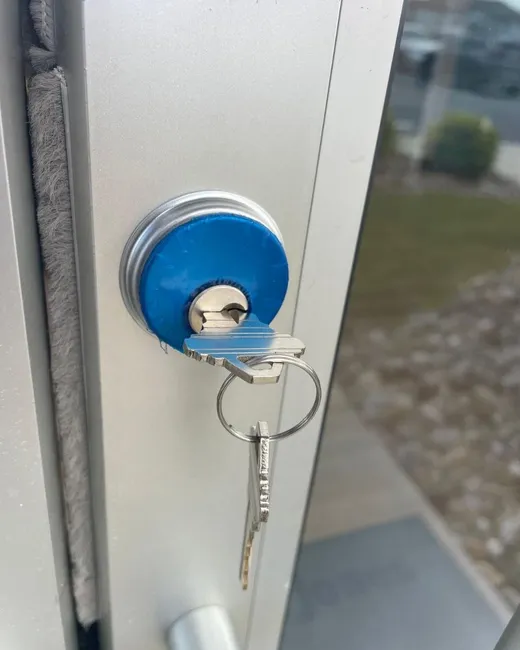
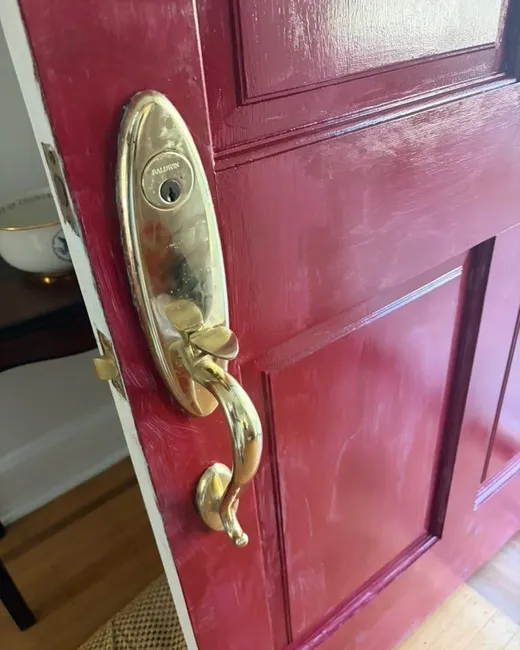
Most emergency calls start the same way: a key snapped off in a cylinder, a deadbolt that won’t retract, a lever that jams after a storm, or an electronic lock that lost power or its network link. We diagnose by feel and sight, probing the cylinder, checking the bolt and strike alignment, inspecting for rust, a split key, or a sheared tailpiece. For cars we confirm whether the problem is a locked door, broken key blade, or an immobilized fob. In Rutledge and nearby towns like Morton we work on the physical parts you can see and touch: cylinders, bolts, strikes, levers, and the actuator inside an electronic lock.
02
What the job involves
When we arrive we work from your door inward: hold the door, secure the jamb, and decide whether we can extract and rekey the existing cylinder or need to replace hardware. We carry extraction tools, plug spinners for electronic cylinders, hand-held key cutting gear, replacement mortise cylinders, rim cylinders and keyed deadbolts, plus reinforced strike plates and long-throw bolts. If drilling is the only option we use controlled drill points to minimize damage and fit the correct replacement cylinder or lock so the door operates like it should.
03
Good to know
While you wait in Rutledge, the most useful things you can do are clear the area, move kids and pets away from the swing of the door, and have proof of residence and a photo ID ready so we can confirm you are the right person to authorize work. If your problem is a vehicle, have the registration or the owner’s ID and keys or fob present. Tell us whether the lock has been recently serviced, if any hardware was replaced, and whether you have a spare key or keypad code; that background speeds diagnosis and avoids unnecessary replacements.
04
Worth knowing
We drive out from Havertown with a stocked van and the expectation of fixing the lock on the spot whenever we can. If repair isn’t practical we fit a secure temporary solution and install a proper replacement with the right core and strike for your door. We’ll explain the physical cause (worn pins, a cracked tailpiece, a bent bolt, corrosion inside a cylinder, or an electronic module failure) and outline the parts and steps needed. When you call we’ll tell you how soon we can come and what we think you should have ready.