What goes wrong
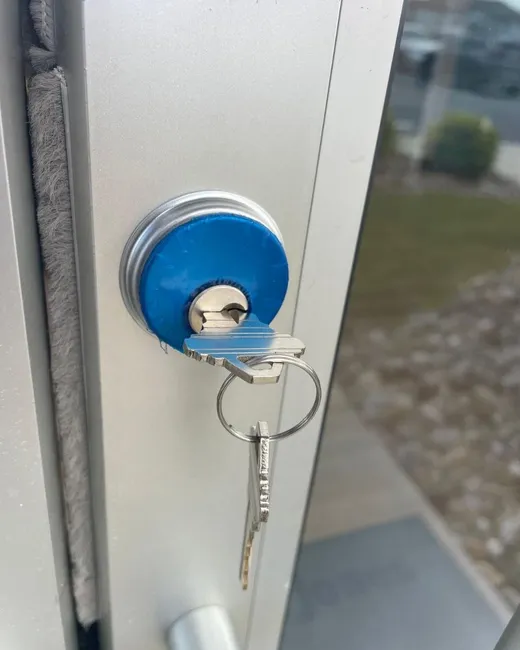
We handle the common ways people lock themselves out of their cars: keys left on the seat, key fobs that stop communicating, jammed manual locks, and trunks or gloveboxes that refuse to open. We start by identifying what type of lock and entry system the vehicle uses, exposed mechanical key, wafer or pin-tumbler door lock, push-button or lever, or an electronic keyless system with a transponder. That diagnosis points to the right tools and the least-destructive method to regain entry.
02
What the job involves
When we come from Havertown to Queen Village we treat each vehicle as a set of mechanical parts and an electrical system. For a mechanical door lock we look for a solid point to access the latch and manipulate the lock cylinder or tailpiece without bending the door skin. For smart-key or push-button systems we check the fob battery and try authorized communication methods before attempting to bypass the lock. For trunks and gloveboxes we examine the striker and latch mechanism rather than forcing the panel.
03
Good to know
While you wait, stay where you can keep the vehicle and yourself safe and visible. If anyone is in immediate danger or there is an accident, call emergency services first. Have your vehicle registration, your photo ID, and a description of the vehicle ready: make, model, year and whether it uses a metal key, a transponder or a fob. If you have a spare key or an aftermarket alarm or steering lock, tell us about it so we know what to expect.
04
Worth knowing
Once we access the vehicle we explain what we did and what the lock shows: a worn cylinder with a broken key, a distorted lock tailpiece, a seized latch, or an electronic module that needs replacement by a dealer. If a key is broken in the ignition or door cylinder we extract the fragment and cut a new key to the existing pattern when possible. We work in Queen Village and nearby sections of Philadelphia, and we keep our explanations practical so you can decide how to follow up with repairs or parts replacement.