What goes wrong
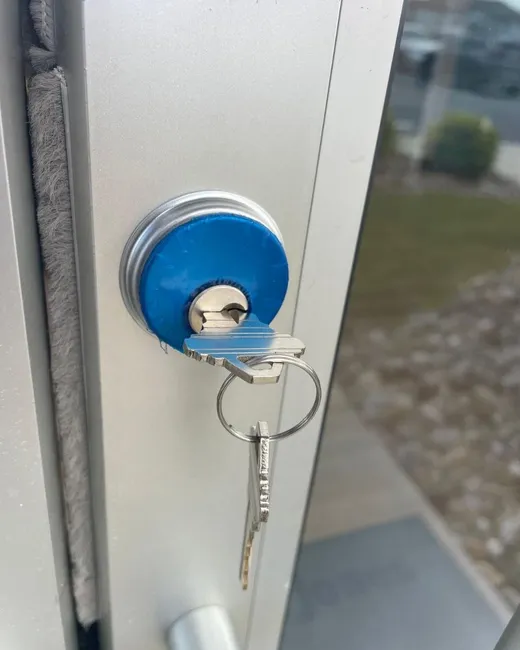
Commercial work often starts with a few common mechanical failures: a cylinder that won’t turn because the key fractured inside, a latch that rubs because the door has sagged, or a panic bar that’s stopped retracting cleanly. We troubleshoot the hardware you actually have (mortise locks, rim cylinders, exit devices, panic bars, door closers and reinforced strikes) and diagnose whether the damage is to the cylinder, the bolt, the strike alignment or the door edge. On-site we open what we can non-destructively and explain the next step before any cutting or drilling.
02
What the job involves
Locks that fail in a business have downstream effects: a malfunctioning master key system can leave a whole floor inaccessible, a stuck rim cylinder can disable a storefront, and a failed access-control keypad can block deliveries. We work on rekeying cylinders, replacing broken cores, repairing or swapping panic bars, and tuning door closers so latches align with reinforced strikes. If you’re in East Goshen Township with staff around you, tell employees to avoid the affected door and keep any customer traffic away from the immediate work area.
03
Good to know
While we’re on our way from Havertown, please collect the practical things that make the job go smoother. Have the suite number and the best point of contact ready, show a key or list the key codes you still have, point out which doors must remain secured and which can be opened, and if there’s a service or purchase order have that number available. If the work affects alarm systems or electric strikes, let whoever controls the alarm know we’ll be working on the door so they aren’t surprised when a circuit is taken offline.
04
Worth knowing
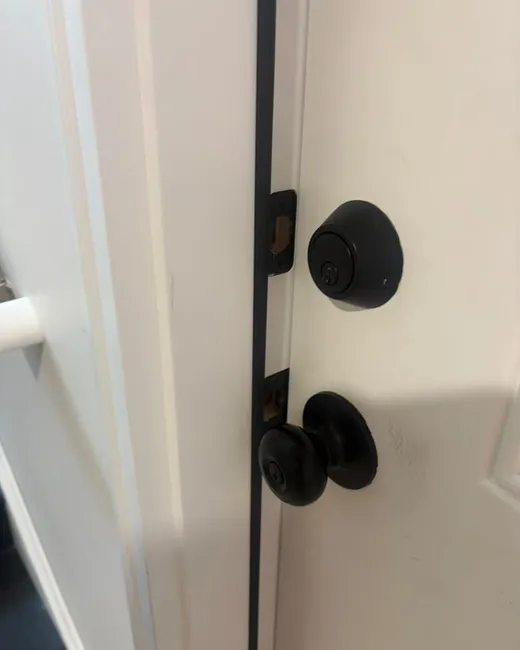
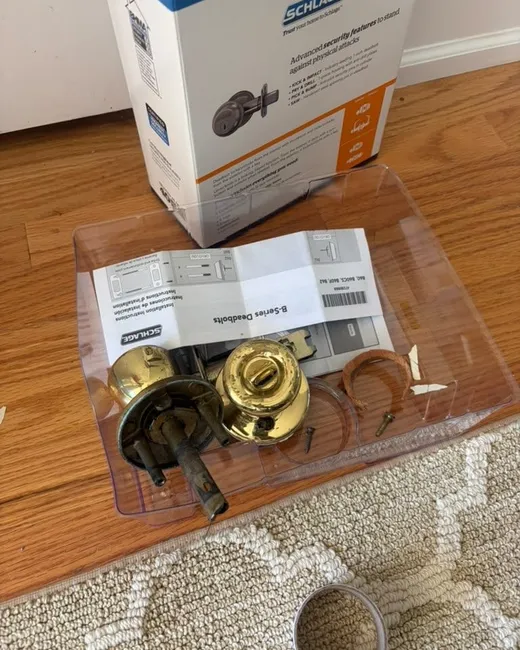
Commercial work in East Goshen Township ranges from maintenance to overhaul. We install new deadbolts and forged cylinders, replace worn latches, fit longer-throw bolts when increased holding strength is needed, and swap out access-control panels and keypads. For larger projects we lay out the sequence: secure perimeter doors first, then move to interior offices and storage areas, and finally test every active lock and keypad we touch. We document the changes on-site so you have serials, core types and the new keying plan before we finish.