What goes wrong
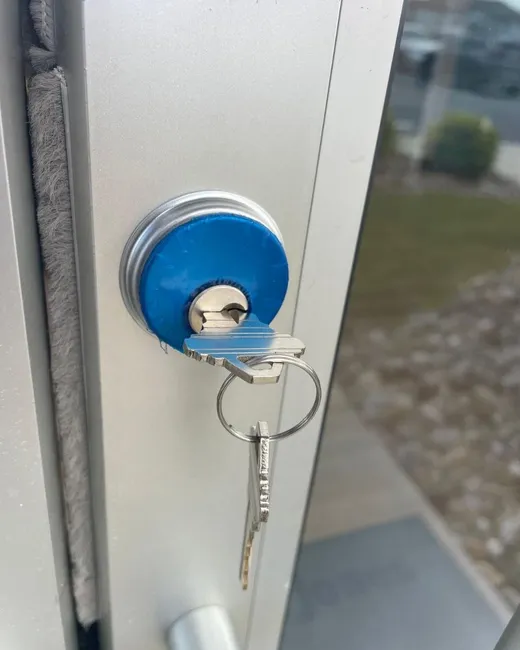
Commercial properties call us when the hardware that should be simple stops being simple. Common problems in Willistown Township are cylinders that spin on a broken tailpiece, exit devices with bent latches, mortise locks that shear their internal cams, panic bars that stick, door closers that no longer hold or latch, and access control panels that won't accept credentials. We see worn keyways, broken strikes, and tampered cores from forced entry. We describe what’s wrong in concrete terms so you know whether the issue is mechanical, electrical, or the result of misuse.
02
What the job involves
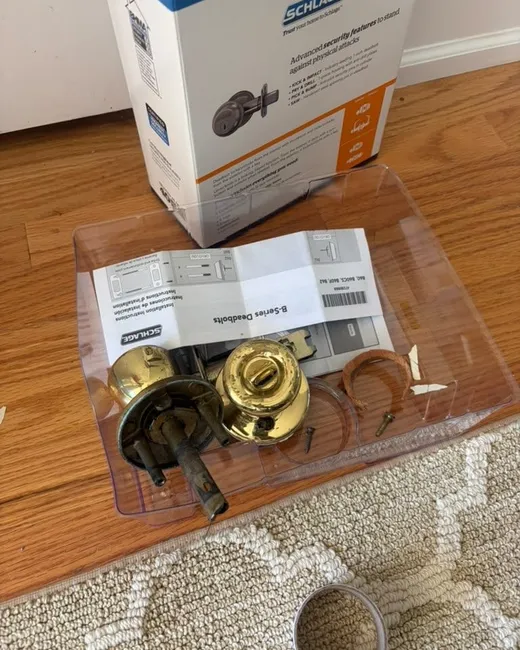
When we arrive we work on the lock where it sits. We take a diagnosis-first approach: remove trim to see the internal parts, check the boltwork and strike alignment, test the tailpiece and spindle, and verify the keypad or reader wiring without guessing. We can rekey cylinders, replace cores or whole locksets, install or adjust exit devices and door closers, swap out hardened strikes, and program or reset keypads and access control units. We drive out from Havertown and bring the common tools and parts for commercial hardware jobs.
03
Good to know
While you wait, secure the area and designate an authorized representative for decisions. Keep staff and customers clear of doors you’ve isolated, post a temporary notice on entrances if you must, and make sure any alarm panels or building management contacts know we’re on site. If doors form part of an escape route, use an alternate entrance and keep that route unobstructed. Tell us who has keys or master access; do not let unverified personnel operate unfamiliar hardware while a job is underway.
04
Worth knowing
Before we work, have any keys, keycards, master lists, and photos of the door and hardware ready. Note door handing, whether the door is hollow metal or wood, and the type of lock trim or panic device installed. If you have the make and model of an access control panel, bring that information; if not, a close photo of the reader and the wiring chase is often enough. We’ll need an on-site contact with authority to accept replacements or changes to master keying, and proof of authorization for key control in commercial properties.