What goes wrong
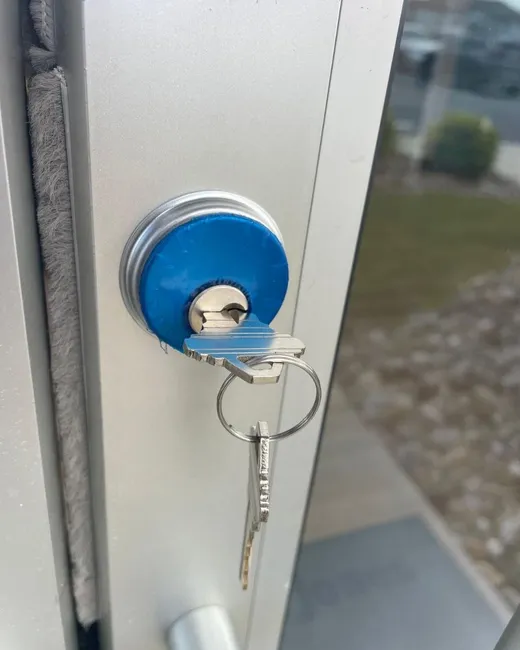
A car lockout usually comes down to one of a few mechanical problems: a broken key shaft, a snapped transponder head, a jammed mechanical lock cylinder, or frozen linkage inside the door. We start by assessing whether the lock is a key cylinder, a push-button, or an electronic actuator before touching the mechanism. If a key is stuck in the ignition or door, we use pick tools and small extractor hooks designed for metal shavings and brittle plastics. We avoid forcing things that will damage the lock body or door trim.
02
What the job involves
When the vehicle has an electronic fob, the fault is often the fob battery, faulted contacts, or a receiver that’s not waking up. We check fob voltage with a meter and test the door actuator by applying controlled power to the motor leads. For older cars with solid, forged cylinders we work on the tumblers; for newer vehicles with plastic heads we protect the shell to prevent additional breakage. If a key broke off, we clear the broken section and inspect the remaining teeth before deciding whether to pull the cylinder.
03
Good to know
While we work, the safest things a customer can do are stay with the vehicle, have photo ID and proof of ownership ready, and hand us the registration or insurance card so we can verify access authorization. If the vehicle has multiple keys or the spare fob is available, that helps. Tell us about recent repairs or if the key has been bent; that history guides whether we try extraction, pick, or cylinder removal. We carry replacement blanks and emergency blades to fit common keyways so we can cut a working key on site when that’s appropriate.
04
Worth knowing
We drive out from Havertown and serve Phoenixville and nearby towns such as Spring City when a call comes in. On location we protect door panels and paint with soft pads and use wedges and long-reach tools when the lock can be opened non-destructively. When destructive entry is required we use targeted methods: remove the escutcheon, extract the cylinder, or cut a tailpiece to operate the lock without damaging the panel. After entry we show the repaired or replaced parts and explain any follow-up steps to restore full function.